
 Call us now:
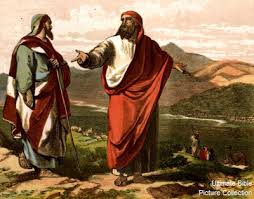
The story of Abraham and Lot teaches us a powerful lesson about intercession. Intercession is standing in the gap for someone else, praying, and acting on their behalf. It is not just about asking God for something; it is about taking responsibility for others and trusting God to work through your faith and action.
In Genesis 14, we see a dramatic event: Lot is captured during a battle, and Abraham steps in to rescue him. This story shows that intercession can be both spiritual and practical. It requires faith, courage, and a heart that cares for others.
Lot’s Situation
Lot chose to live in Sodom, a city known for its wickedness. Genesis 13:12-13 says, “Abram dwelled in the land of Canaan, and Lot dwelled in the cities of the plain, and pitched his tent toward Sodom. But the men of Sodom were wicked and sinners before the Lord exceedingly.”
Lot’s choice put him in danger. Even though he was righteous, the company he kept and the place he lived exposed him to harm. This reminds us that the people we care about may face danger, even if they are living a good life. Intercession becomes necessary when someone you love is at risk.
Lot’s Capture
Genesis 14 tells us that Lot was captured during a war among local kings. This situation was beyond his control, yet it placed him in immediate danger.
- Genesis 14:12 says, “And they took Lot, Abram’s brother’s son, who dwelt in Sodom, and his goods, and departed.”
Lot’s capture teaches us that sometimes, the people we care about face battles we cannot fight for them alone. This is where intercession comes in.
Abraham’s Response: Faith in Action
When Abraham heard that Lot was captured, he acted immediately. Genesis 14:14 says, “When Abram heard that his brother was taken captive, he armed his trained servants, born in his own house, three hundred and eighteen, and pursued them unto Dan.”
Abraham’s response gives us key lessons on intercession:
- Awareness of Others’ Needs
Abraham cared deeply for Lot. Intercession begins with awareness. You cannot pray effectively if you are unaware of the needs around you. Notice when someone is in danger, spiritually, emotionally, or physically. - Immediate Action
Abraham did not delay. He gathered his servants and went after Lot immediately. When we see someone in need, we should act without hesitation. Waiting too long can lead to further harm or missed opportunities. - Faith in God’s Power
Abraham did not rely on his strength alone. He trusted that God could deliver. Intercession is most powerful when it is rooted in faith. You must believe that God hears and responds to your prayers and actions. - Preparation and Strategy
Abraham armed his trained servants and pursued the enemy with a plan. Intercession may require wisdom, preparation, and strategy. It is not only prayer; it is also action guided by understanding.
The Outcome of Intercession
Abraham’s efforts succeeded. Genesis 14:16 says, “Then he brought back all the goods, and also brought again his brother Lot, and his goods, and the women also, and the people.”
Through intercession, lives were saved, possessions were restored, and justice was served. This shows that standing in the gap can bring deliverance and restoration.
Lessons for Today
- Intercession is a Responsibility
- Ezekiel 22:30 says, “I sought for a man among them, that should make up the hedge, and stand in the gap before me for the land, that I should not destroy it: but I found none.”
- God values those who stand in the gap. When you see someone in need, prayer and action are not optional—they are your responsibility.
- Intercession Requires Courage
- Abraham risked his life for Lot. True intercession may require sacrifice. You may need to invest time, energy, or resources to help others.
- Intercession Involves Spiritual Warfare
- Battles are not always physical. They can be spiritual, emotional, or moral. Prayer strengthens your ability to fight for others.
- Intercession Strengthens Faith
- Standing in the gap teaches you to rely on God. Romans 8:26 says, “Likewise the Spirit also helpeth our infirmities: for we know not what we should pray for as we ought: but the Spirit itself maketh intercession for us with groanings which cannot be uttered.”
- Intercession Requires Persistence
- Results may not come immediately. Abraham acted quickly, but sometimes, our prayers and efforts must continue over time. James 1:3 says, “Knowing this, that the trying of your faith worketh patience.”
Intercession and Wise Guidance
- Lot’s life shows that intercession is more effective when combined with guidance. Lot’s choice to live in Sodom made him vulnerable.
- We should pray not only for deliverance but also for wisdom for those we intercede for. Proverbs 3:5-6 reminds us, “Trust in the Lord with all thine heart; and lean not unto thine own understanding. In all thy ways acknowledge him, and he shall direct thy paths.”
Practical Steps for Intercession
- Identify People in Need
- Look for family, friends, neighbors, or even strangers who need prayer or support.
- Pray Specifically
- Be clear in your prayers. Pray for protection, guidance, and deliverance.
- Act in Faith
- Sometimes intercession requires action: encouraging, advising, or helping physically.
- Be Persistent
- Some prayers are answered quickly; others take time. Continue to pray and act faithfully.
- Trust God’s Timing
- Deliverance may not happen as you expect, but God’s timing is perfect.
The Reward of Intercession
- Lot was delivered, families were saved, and possessions restored.
- Intercession brings tangible results and spiritual blessings.
- It also strengthens character, faith, and intimacy with God.
Conclusion
The story of Abraham and Lot demonstrates the power of intercession. Standing in the gap for others can change outcomes, save lives, and bring restoration.
- Be aware of the needs around you.
- Respond quickly with prayer and action.
- Trust God to work through your faith.
- Persist even when results are delayed.
- Pray for wisdom and guidance for those you intercede for.
Hebrews 13:16 says, “But to do good and to communicate forget not: for with such sacrifices God is well pleased.” Intercession is a living sacrifice—a sacrifice of time, energy, and love for others.
May you be a person who stands in the gap, prays earnestly, acts faithfully, and trusts God to deliver. The battle for Lot shows us that intercession is not only powerful—it is necessary.