
 Call us now:
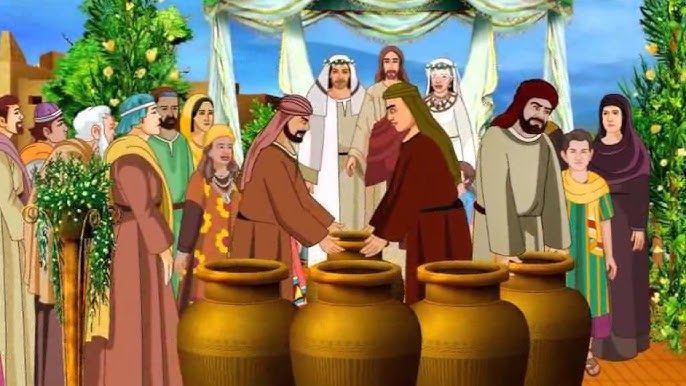
John 2:1–12 tells us about the first public sign Jesus did. It did not happen in a temple. It did not happen in a palace. It happened at a wedding. This already teaches us something important. God cares about normal life. He cares about families. He cares about joy.
The Bible says, “On the third day there was a wedding in Cana of Galilee, and the mother of Jesus was there. Jesus also was invited to the wedding with His disciples” (John 2:1–2). A wedding is a place of joy. It is a place of hope. It is a place of new beginnings.
In the Bible, wine often speaks about joy. The Scripture says, “Wine that makes glad the heart of man” (Psalm 104:15). When there is wine, there is gladness. When wine finishes, joy also begins to disappear.
At this wedding, a problem happened. The wine ran out. The mother of Jesus said to Him, “They have no wine” (John 2:3). This was not a small problem. In that culture, it was a shame for the family. It meant the celebration would end in embarrassment.
This is also a picture of many lives today. Many people start with joy. They start with hope. They start with strength. But after some time, the joy finishes. The heart becomes tired. The songs become few. The smile disappears.
The Bible says, “You have turned for me my mourning into dancing” (Psalm 30:11). But before the miracle, this wedding was about to turn from dancing to shame.
The Bible then tells us something important. “Now there were six stone water jars there for the Jewish rites of purification” (John 2:6). These jars were not for drinking. They were for washing. They were used for religious cleansing.
These jars represent a system. They represent a way of living where people always try to clean themselves. They wash again and again. But they never feel fully clean inside. The Bible says such sacrifices can never make people perfect in their hearts (Hebrews 10:1).
There were six jars. In the Bible, six often speaks about human effort. It speaks about work that is not yet finished. It speaks about something that is not complete.
These jars were full of water. This water speaks about rules. It speaks about judgment. It speaks about a voice that says, “You are still not good enough. Wash again.”
Then the mother of Jesus said something very powerful. She said to the servants, “Do whatever He tells you” (John 2:5). This is how change begins. It begins with simple obedience.
The servants did not argue. They did not ask many questions. They were ready to obey.
Jesus then said to them, “Fill the jars with water” (John 2:7). This command looks strange. The problem was no wine. But He asked for water. Still, they obeyed.
The Bible says they filled the jars to the brim. They did not stop halfway. They did not do it carelessly. They obeyed fully.
Then Jesus said, “Now draw some out and take it to the master of the feast” (John 2:8). Somewhere between filling the jars and serving the drink, the miracle happened. The water became wine.
No one saw the exact moment it changed. There was no noise. There was no announcement. But the nature of the water changed.
The master of the feast tasted it and said, “You have kept the good wine until now” (John 2:10). This shows us something about God. He does not give the worst in the end. He gives the best.
This miracle was not only to help a family. The Bible says, “This, the first of His signs, Jesus did at Cana in Galilee, and manifested His glory” (John 2:11). It was a message.
The message is clear. A new season has begun. The old order is passing. The water of the old system is being replaced with new wine.
The water in those jars speaks about a way of life that is based on rules and fear. The Bible says, “For by works of the law no human being will be justified” (Romans 3:20). Rules can show sin. But they cannot change the heart.
The wine speaks about new life. It speaks about joy. It speaks about a new relationship with God. The Bible says, “I will make a new covenant” (Jeremiah 31:31).
Jesus did not throw away the jars. He changed what was inside them. This is important. God does not only want to change what you do. He wants to change who you are inside. The Bible says, “I will give you a new heart, and a new spirit I will put within you” (Ezekiel 36:26).
The water in those jars also speaks about judgment. It speaks about always being afraid of not doing enough. But the Bible says, “There is therefore now no condemnation for those who are in Christ Jesus” (Romans 8:1).
The water of judgment is gone. Not because sin does not matter. But because sin has been paid for. The Bible says, “The punishment that brought us peace was upon Him” (Isaiah 53:5).
Now the wine is on the table. Wine speaks about joy. It speaks about rest. It speaks about acceptance. Jesus said, “I have come that they may have life, and have it abundantly” (John 10:10).
This is not a dry life. This is not a life of fear. This is a full life.
That is why this sign happened at a wedding. God wants people to know that He wants closeness. He wants joy. The Bible says, “He will rejoice over you with gladness” (Zephaniah 3:17).
There are lessons for us here. When your joy runs out, go to Jesus. When your strength is finished, go to Jesus. When your best is not enough, go to Jesus.
Do what He tells you to do. Even when you do not fully understand it. Even when it looks simple.
Many people still live as if the water is still in control. They live in fear. They live in guilt. But the wine is already on the table. The Bible says, “Let us then with confidence draw near” (Hebrews 4:16).
The Bible says that after this miracle, His disciples believed in Him (John 2:11). That is the goal. Not only to see wonders. But to trust Him.
The message of Cana is simple. The season has changed. The order has changed. The way has changed.
The water of judgment is gone. The wine is on the table.
You are not called to live in fear. You are called to live in joy. You are not called to keep washing forever. You are called to rest in what has been done.
The Bible says, “Come, everyone who thirsts, come to the waters” (Isaiah 55:1). But now, something better than water has been given.
Come to the table. Receive what He gives. Live in the joy He provides.
Amen.