
 Call us now:
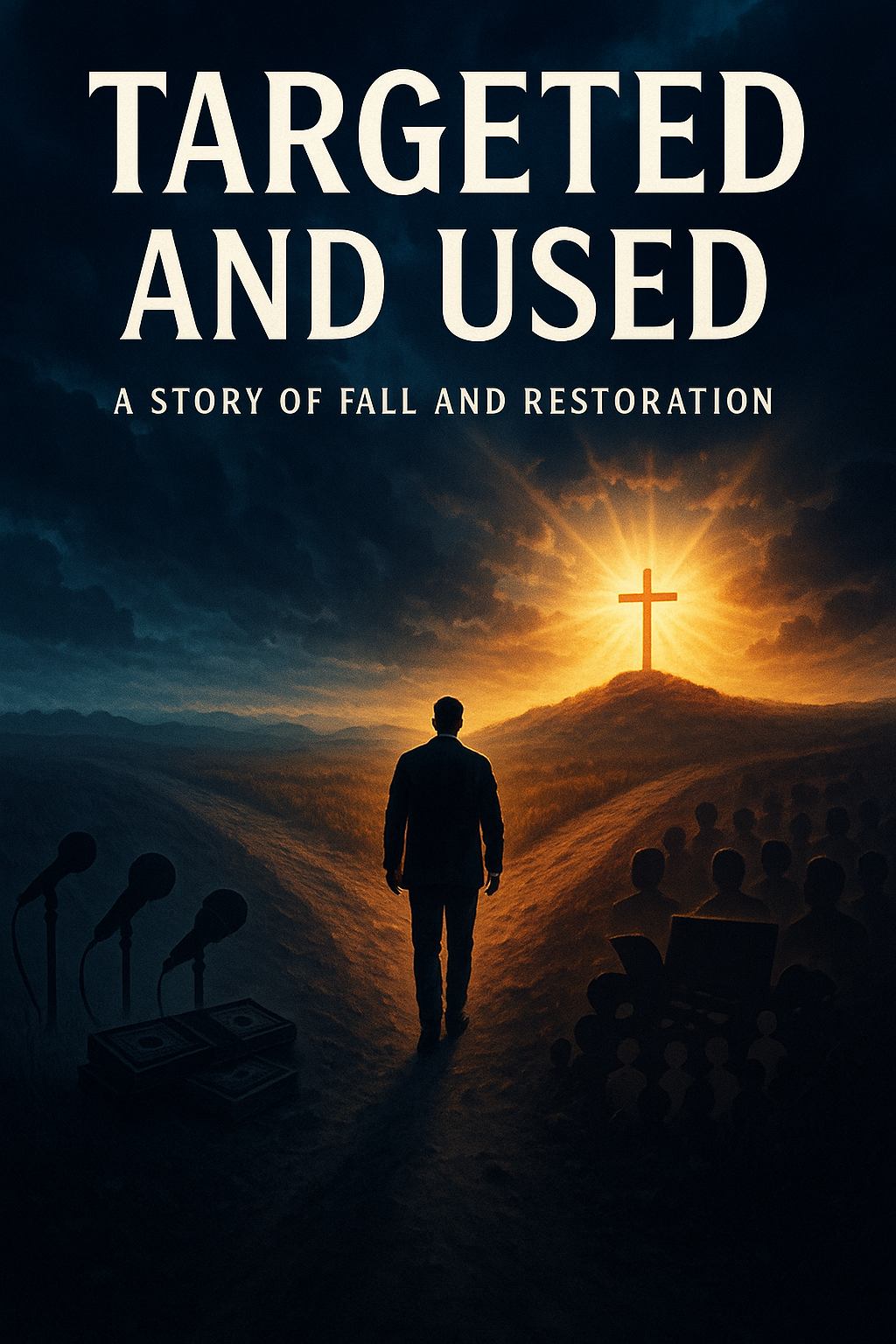
The transformation was so gradual that few could see it, but it was there.
Samuel, once a man who burned with the fire of the Holy Spirit, now stood on stages polished to perfection, speaking words that stirred the crowds but no longer reached heaven. His messages, once laced with truth that cut to the heart, became smooth, crafted to excite, to entertain — but not to convict.
The crowds did not see it. To them, Samuel was greater than ever. His programs aired on television across nations. His name was known in government circles, in business spheres, even among celebrities. His church headquarters had grown into a sprawling campus — thousands filled its seats every Sunday, their faces lifted in admiration, their lips calling him Papa, Daddy, Prophet.
But the man himself? He felt empty.
The rituals that began as “small protections” now demanded more of him. At first, it was tokens — threads tied on his wrist, oils smeared on his forehead before major crusades. But as time went on, the demands grew darker.
Nana Kweku would call him at odd hours, summoning him for strange ceremonies in hidden places. The promises were always the same:
“This is to fortify your ministry. This is what keeps the doors open. This is what keeps your enemies at bay.”
And outwardly, it seemed true. The “miracles” multiplied — but deep down, Samuel knew these were no longer the works of the Holy Spirit. The healings, the signs were imitations, shadows, designed to deceive.
The deception spread beyond him.
His pastors, once men of prayer and integrity, began to mirror their leader. Some followed him into compromise, eager to please, hungry for position and power. Others grew uneasy, but dared not speak — who would challenge Papa?
Naana saw it all. Her once-vibrant husband had become a stranger. She heard the change in his sermons. She felt the coldness in his prayers. She saw the dark circles under his eyes, the nights he tossed and turned, tormented by dreams.
She pleaded with him again and again:
“Samuel, leave these things. Return to the Lord. He will forgive you; He will restore you.”
But Samuel’s heart was hardened. Fear gripped him now — fear of losing it all: the crowds, the fame, the wealth, the respect of men.
The deception wasn’t just spiritual. The people themselves were deceived.
They saw the signs, but not the source. They saw the crowds, but not the compromise. They praised the man but missed the decline.
And the enemy laughed.
For Samuel, who had once driven darkness out of villages with the light of Christ, now unknowingly became an agent of that very darkness.
One night, after a grand event in a packed stadium, Samuel returned to his mansion. The cheers of the crowd still rang in his ears, but they gave him no comfort. He shut the door, fell to his knees, and wept.
“God… where are You? Why can’t I feel You anymore?”
But heaven seemed silent.
He rose, wiped his face, and looked in the mirror. The man who stared back at him was not the Samuel of old. He was a man ensnared, entangled, deceived.
And unless something changed, destruction was drawing near.