
 Call us now:

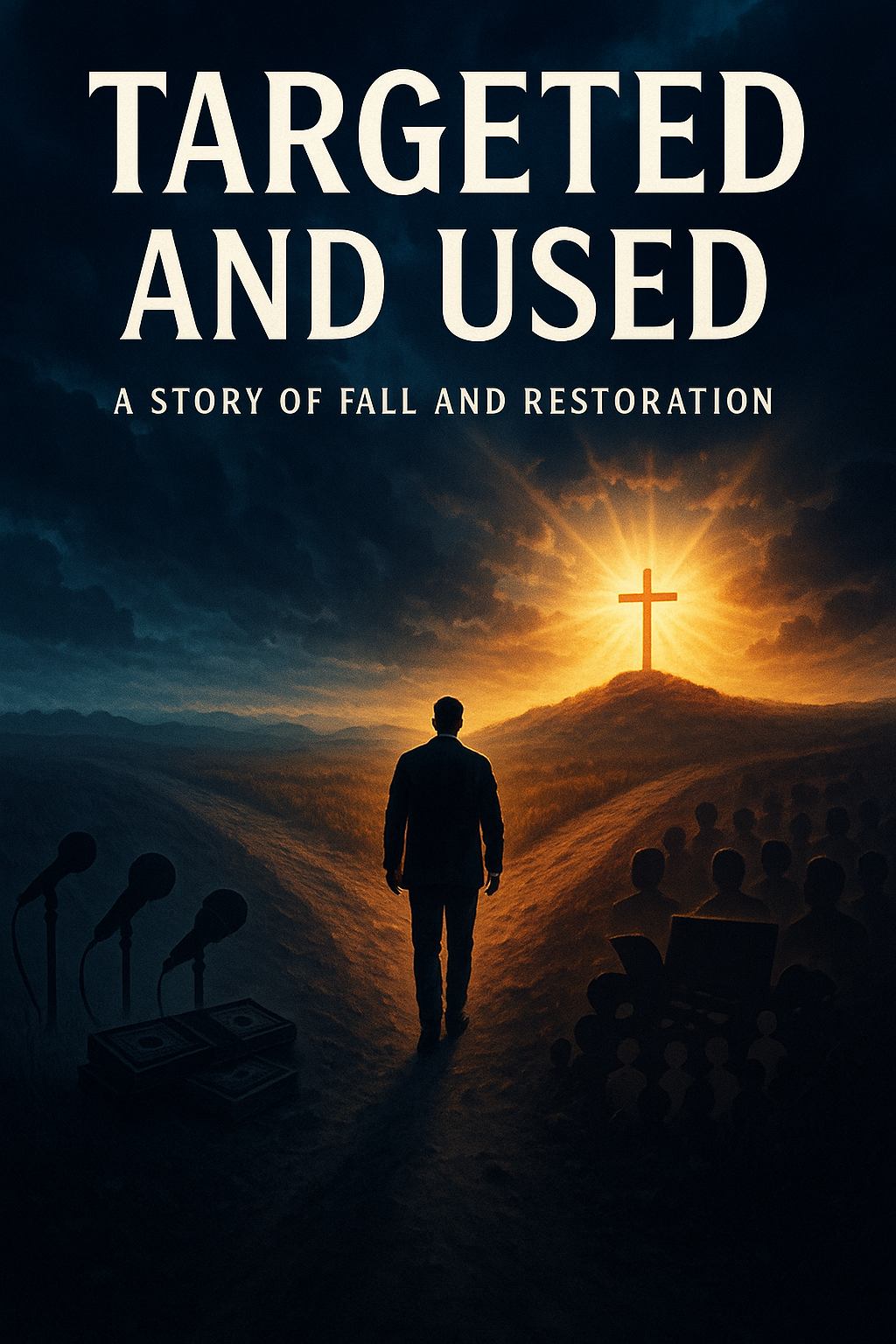
The dusty roads Samuel once walked barefoot as a boy soon became paths he traveled to preach the Gospel. At first, it was the small villages: Nkyinkyim, Ankaase, Bosomtwe — places where life moved slowly and the people hungered for the Word.
He went on foot, then by bicycle, and later, as offerings came in, on a battered motorbike gifted by a grateful elder. Wherever he went, crowds gathered. They came with broken hearts, sick bodies, troubled minds. Samuel preached with fire, but his fire was born of compassion. His heart broke for their suffering, and he prayed, wept, and fasted for God to move among them.
And move He did.
There were nights when entire villages would fall silent, listening to Samuel’s voice ring through the air, declaring the kingdom of God. Blind eyes opened. Lame men walked. Families reconciled. The Spirit of God confirmed His Word with power, and many turned from idols to serve Christ.
Samuel refused to take credit. He would often say, “It is not I, but Christ who does these things. I am but His servant.”
As invitations increased, so did the size of the gatherings. Towns that once ignored his calls now begged him to come. The Open Heavens Crusade, as people began to call his meetings, drew thousands. Banners were printed. Local radio stations announced his coming.
Somewhere along the way, the offerings began to change too.
Where once the people brought yams, maize, or eggs as tokens of thanks, now wealthy businesspeople and politicians in the towns began to give him money — envelopes thick with cash, gifts of land, promises of cars. Samuel was grateful, for it allowed him to build a simple church structure in Adomakrom, support struggling widows, and sponsor orphaned children’s schooling.
But with prosperity came attention.
Journalists came to interview him. His face appeared on posters, his sermons were recorded and sold in the marketplaces. People began to see him as more than a preacher; to some, he was a miracle worker, a man who could “fix” their problems.
And slowly, though he barely noticed at first, the calls for greater platforms began.
“Pastor Samuel, come preach in the city — Accra, Kumasi, Takoradi! You are too gifted for the villages.”
“Pastor, you need to be on TV, to reach millions!”
“Man of God, let us manage your ministry — you must think of your future, your brand!”
Samuel struggled within himself. He longed to stay true to the simple calling — to preach Christ and Him crucified. But at the same time, wasn’t it good to reach more people? To use modern tools to spread the Gospel?
He began to travel further, preach at larger events, and accept more invitations to high places. The village boy from Adomakrom was becoming a national figure.
At first, fame did not change him. After grand meetings, he would still retreat to quiet places to seek God. Yet the pressures began to grow. There were more decisions, more demands, more voices around him offering advice — not all of them godly.
And in the shadows, unseen by Samuel, the enemy began to plot.
The one who had watched him from boyhood, who had seen the sincerity of his heart, now saw an opportunity. If Samuel could not be stopped by hardship, perhaps he could be ensnared by success.