
 Call us now:

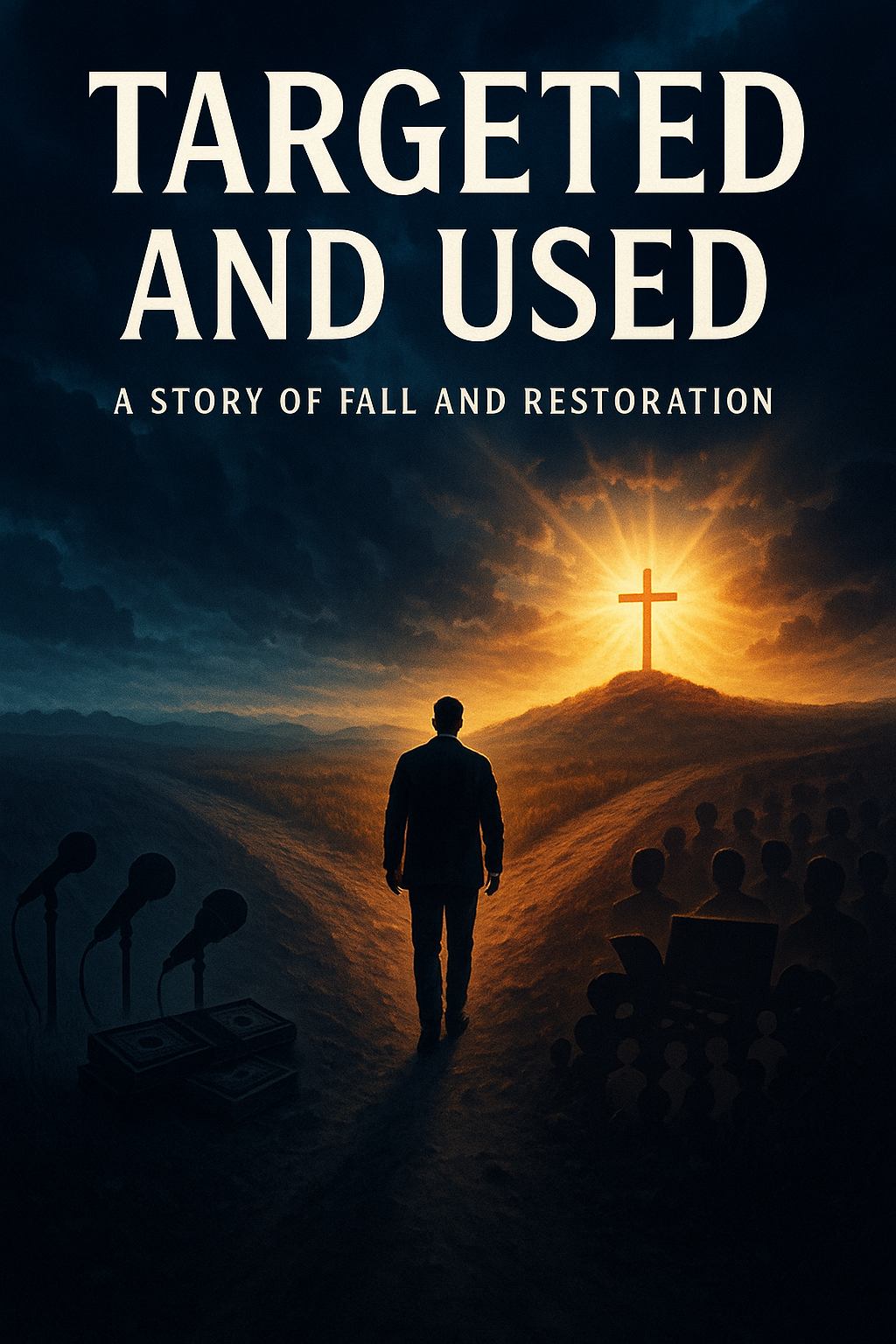
The year Samuel turned thirty-five marked a turning point in his ministry. By now, his name was known far beyond Adomakrom and the nearby towns. His Open Heavens Crusades had spread across the nation — from small fishing villages on the coast to bustling cities in the north.
Billboards bearing his image stood along major highways: “Come and encounter the power of God!” His voice filled the airwaves, his sermons broadcast on radio and television. People spoke of him with awe. “Pastor Samuel — God’s anointed servant. The man God hears when he prays.”
Invitations poured in from across the country and even abroad. Leaders of mega-churches invited him to share their pulpits. Christian television stations requested exclusive interviews. Wealthy businesspeople and politicians sought his prayers before making big decisions. Some even called him “the prophet of the nation.”
With this rise came blessings Samuel never dreamed of as a boy. A group of grateful supporters bought him a brand-new SUV — “The Lord’s servant must travel safely,” they said. Another donor gifted him a mansion on the outskirts of Accra — a far cry from the mud house of his childhood.
His ministry registered formally as an international outreach. Staff were hired — personal assistants, media managers, event coordinators. Wherever Samuel went, crowds surged forward to touch him, to receive a word or a miracle.
But something subtle began to shift.
Where once Samuel’s heart leapt with joy at the chance to preach in small village chapels, now he hesitated. His schedule was packed with high-profile conferences, and somehow the small gatherings no longer seemed worthy of his time.
His once-regular fasts grew shorter, less frequent. His prayer nights gave way to meetings with ministry strategists and influential sponsors.
And though Samuel barely noticed, pride began to whisper in his ear:
“Look at what you have become.”
“See how they honor you. You are no ordinary preacher.”
“You are called to the big stage now — leave the small things behind.”
One night, after a grand crusade in Kumasi that drew nearly fifty thousand people, Samuel sat alone in his luxurious hotel room. He gazed at the city lights and felt both exhilarated and strangely empty.
He remembered the days when his joy came from seeing one soul surrender to Christ, when he would stay up through the night praying for a new convert’s growth. Now, after mighty meetings, he found himself calculating attendance figures, offering totals, and media impact.
His wife, Naana, a woman of quiet strength, noticed the change. One evening, she gently asked,
“Samuel, when last did you spend the night in prayer — not for a crusade’s success, but just to seek God’s face?”
Samuel forced a smile. “Naana, you know the demands. The ministry has grown — the work is heavy. I pray as I go. God understands.”
She said no more. But in her heart, she began to intercede for him with tears.
Behind the scenes, the enemy sharpened his weapons.
Samuel began to attract flatterers — men and women who hung around him not because they loved God, but because they sought to benefit from his fame. Some praised him excessively:
“Pastor, no one preaches like you!”
“You are God’s special instrument for this generation!”
“Without you, the church in this nation would fall!”
At first, Samuel dismissed such words. But over time, they began to settle in his heart. He started to believe them.
Then came the first dangerous offer.
A wealthy businessman approached him after a major event. He spoke in hushed tones:
“Man of God, I can connect you to people who can help you sustain this growth. Powers that ensure your crusades will always be full. You have done well, but to stay at the top, you must have backing. These powers work — many great men use them quietly. Think about it.”
Samuel was shocked. He rebuked the man and sent him away.
But the seed had been planted.
That night, Samuel lay awake. The thought haunted him:
“What if the crowds stop coming? What if the miracles dry up? How will I maintain all this — the staff, the buildings, the ministry, the fame?”
He did not know it yet, but his heart was at the edge of a cliff — and the fall would be great.